Learn with me.
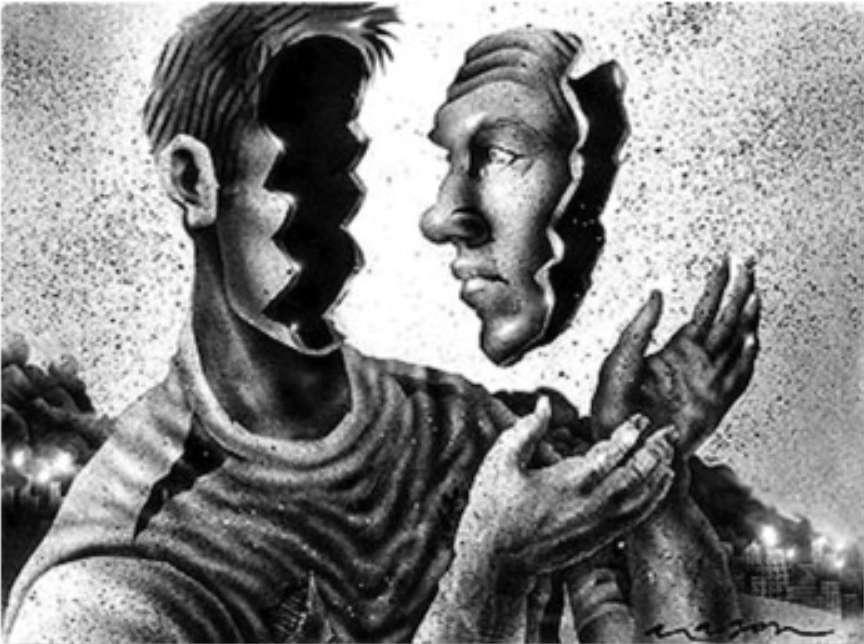
Self Psychology: Origins, Transformations, and Clinical Life
At the center of Kohut's revolution was a deceptively simple claim: that the self, not drives, is the proper subject of psychoanalytic inquiry. Steeped in the classical tradition, he dared to move human relationship to the center of development, psychopathology, and cure. It was a quiet revolution whose reverberations continue to shape contemporary psychoanalytic thought.
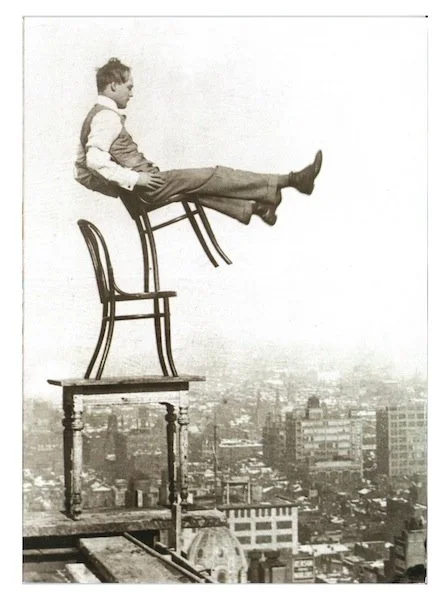
Sustaining What We Cannot Resolve: Ambivalence as a Meeting of Internal Solitudes in Fascist Times
"We are, above all, ambivalent animals: wherever we hate we love, wherever we love we hate." —Adam Phillips
A patient arrives describing her week: rage at the news followed by three days in bed; her vital protest in sudden retreat and her hatred for complicity is swallowed by complete exhaustion. She is ashamed. Not of any particular feeling, but of the rhythm itself. She experiences this oscillation as failure, as proof she cannot sustain what this moment demands. What she has internalized is fascism's intolerance for ambivalence. Adam Phillips argues that "aliveness" depends on "the vitalizing effects of conflict." This, he believes, is the antidote to giving up. But what happens when conflict itself becomes unbearable? Christopher Bollas describes "the fascist state of mind" as one that tries to "empty the mind of all opposition" through "simplifying violence." The fascist cannot tolerate conflict's give-and-take but is enthralled by war's annihilation.
Self Psychology: Origins, Transformations, and Clinical Life
At the center of Kohut's revolution was a deceptively simple claim: that the self, not drives, is the proper subject of psychoanalytic inquiry. Steeped in the classical tradition, he dared to move human relationship to the center of development, psychopathology, and cure. It was a quiet revolution whose reverberations continue to shape contemporary psychoanalytic thought.
Let’s work together